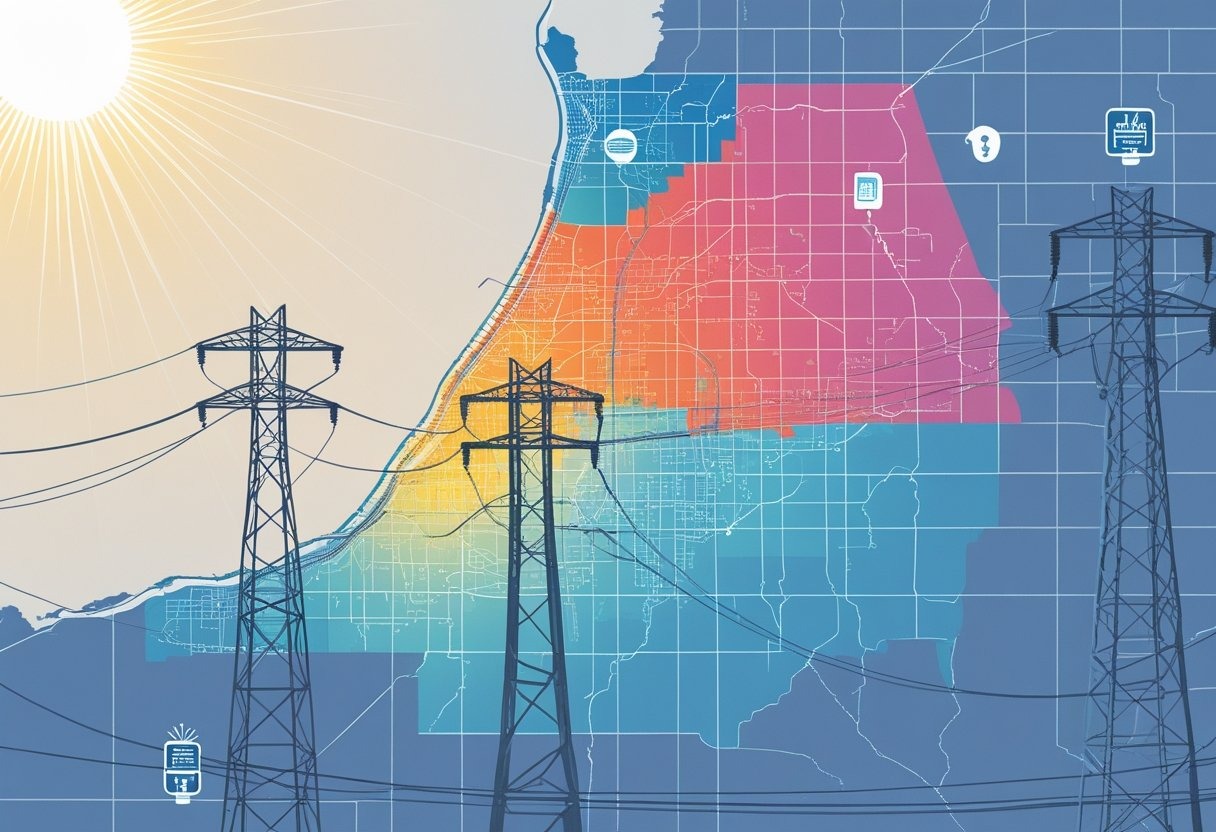
Property owners across Miami-Dade County often discover that electrical requirements vary significantly depending on their location within the county. South Miami-Dade faces stricter electrical codes than northern areas, creating confusion for homeowners and contractors alike.
South Miami-Dade falls within the High Velocity Hurricane Zone (HVHZ), which mandates enhanced building standards, including stricter electrical codes for extreme weather. The origins of South Florida's toughest rules trace back to Hurricane Andrew, which devastated the region in 1992 and exposed critical construction weaknesses. This geographic distinction means identical electrical projects have different requirements based on whether they're in northern or southern portions of the county.
Understanding these code variations affects project costs, timelines, and safety outcomes. Homeowners planning work need to know which standards apply to their property. The enhanced requirements in South Miami-Dade reflect lessons from catastrophic storms and represent a commitment to protecting lives and property in hurricane-prone areas.
Miami-Dade County operates under multiple zoning and building jurisdictions, with over 30 different zoning codes across its municipalities and unincorporated areas. The split between north and south extends beyond zoning to include significant differences in electrical code enforcement, particularly after major weather events reshaped construction standards.
Each municipality within Miami-Dade County maintains its own building and electrical codes, creating varied regulations across the region. Unincorporated areas follow Chapter 33 of the County Code, which includes both traditional Euclidean zoning and form-based code sections.
South Miami-Dade enforces more stringent electrical requirements due to increased vulnerability to extreme weather. The southern portion experiences higher wind speeds and storm surge risks during hurricanes. Northern areas, while subject to Florida Building Code requirements, often implement less restrictive local amendments.
Hurricane Andrew struck South Miami-Dade in August 1992, causing catastrophic destruction that exposed widespread code violations and inadequate construction practices. The storm's impact led to a complete overhaul of Florida's building codes, with South Miami-Dade municipalities adopting the strictest interpretations.
Wind speeds exceeding 165 mph revealed failures in electrical systems, including inadequate grounding, insufficient weatherproofing, and poor installation practices. South Miami-Dade communities subsequently mandated enhanced electrical provisions including reinforced conduit systems, upgraded surge protection, and stricter inspection protocols.
When Hurricane Andrew struck in 1992, it exposed critical flaws in construction practices and triggered a complete overhaul of building regulations. The storm's aftermath led to stricter statewide codes that fundamentally changed how structures are built in Florida.
The Category 5 hurricane damaged or destroyed more than 125,000 homes in south Miami-Dade County, leaving approximately 250,000 people homeless. The destruction resulted from winds exceeding 165 mph that exposed widespread construction deficiencies.
Many structures were cheaply and poorly built, lacking proper connections between roofs and walls. Investigations revealed that contractors had cut corners, failed to follow existing codes, and used substandard materials. Mobile home residents were disproportionally impacted due to insufficient construction standards for this housing type.
Two years after Andrew, officials adopted the South Florida Building Code, which improved roofing standards and mandated impact-resistant windows and hurricane shutters. In 2002, Florida implemented the statewide Florida Building Code, which includes special provisions for High-Velocity Hurricane Zones covering Broward and Miami-Dade counties.
These enhanced building standards now require stronger roof-to-wall connections, reinforced garage doors, and storm-resistant materials. The improvements have reduced hurricane damage by approximately 50 percent in newer construction.
South Miami-Dade operates under more stringent requirements than northern areas due to its designation as a High Velocity Hurricane Zone, which mandates enhanced protections for building envelopes and electrical systems.
South Miami-Dade requires products used for structural envelope protection to meet higher standards. Materials like exterior doors, windows, and related electrical fixture housings must obtain either Florida Building Commission approval or local Miami-Dade approval specifically for high wind velocity zones.
Products without statewide approval need certification through Miami-Dade's Building and Neighborhood Compliance Department. The county maintains a separate product approval portal that validates materials can withstand extreme wind conditions. Northern areas follow standard Florida Building Code requirements without these additional wind load specifications.
Installation practices differ between regions based on environmental exposure. South Miami-Dade enforces enhanced securing methods for electrical wiring types including copper and aluminum installations to prevent failure during hurricanes.
Miami-Dade County maintains distinct inspection type codes that apply more rigorous scrutiny in southern zones. Inspectors verify additional anchoring and weatherproofing measures that northern installations don't require.
The county follows the 2023 National Electrical Code with localized amendments. These modifications address hurricane preparedness through reinforced conduit requirements and elevated panel installations in flood-prone areas.
Electrical permit applications in South Miami-Dade require additional documentation proving wind resistance compliance. Panel boxes need specific mounting hardware rated for high-wind events, while northern installations follow baseline code minimums.
Enhanced electrical standards require higher upfront investment but deliver measurable savings through reduced damage and lower insurance costs over time.
Building to enhanced electrical standards typically adds 3-7% to initial construction expenses. This includes upgraded materials like impact-resistant components, enhanced grounding systems, and reinforced conduit installations designed for extreme weather.
The return on investment proves substantial. Studies show that enhanced building techniques can save up to $6 in future repair costs for every dollar spent on improved construction. Homes built to stricter standards experience up to 50% less hurricane-related damage.
Electrical systems meeting enhanced codes maintain functionality after storms. This prevents costly rewiring, reduces fire risks from damaged circuits, and eliminates safety hazards that compromise structural integrity.
Property insurers recognize reduced risk in homes meeting enhanced electrical standards. Premium discounts of 25-40% are common for structures exceeding minimum code requirements.
Miami-Dade properties command higher resale values due to their reputation for stringent hurricane building standards. Buyers pay premiums for homes with verified compliance to enhanced codes.
Insurance availability improves significantly. Carriers more readily offer coverage in areas where enhanced electrical codes reduce claim frequency and severity, stabilizing volatile property insurance markets throughout Florida.
YES Electrical Solutions maintains expertise across all Miami-Dade municipalities, understanding the nuanced differences between northern and southern jurisdictions. Their team stays current with variations in enforcement standards and regional requirements.
YES Electrical Solutions provides residential and commercial electrical services throughout Miami-Dade County with full licensing and insurance. Their electricians understand that coastal communities in South Miami-Dade face stricter wind load requirements and flood zone regulations compared to inland northern areas.
The company handles code-specific work including panel upgrades, wiring repairs, and new installations tailored to each municipality's standards. They navigate the differences between cities like Homestead, which enforces enhanced hurricane provisions, and northern suburbs with standard state electrical codes.
Their 24/7 electrical repair and troubleshooting services cover urgent code violations and safety hazards. The team performs inspections to identify outdated wiring, improper grounding, or non-compliant installations regardless of location within the county.
YES Electrical Solutions provides free estimates on installations, repairs, and upgrades while ensuring all work meets local jurisdiction requirements. Their familiarity with county-wide code variations prevents costly mistakes during permit inspections.
Hurricane Andrew's impact in 1992 created the foundation for enhanced building standards throughout Miami-Dade County, with South Miami-Dade experiencing particularly stringent requirements due to its coastal vulnerability and high-velocity hurricane zone designation.
South Miami-Dade's location within the High Velocity Hurricane Zone (HVHZ) necessitates enhanced electrical standards. The devastating effects of Hurricane Andrew in 1992 prompted officials to implement stricter requirements for all building components, including electrical systems.
Coastal exposure increases the risk of storm surge, wind damage, and saltwater corrosion. These environmental factors require electrical installations to withstand extreme conditions. South Miami-Dade's proximity to the Atlantic Ocean and lower elevation make it particularly susceptible to these hazards.
South Miami-Dade follows the Florida Building Code with additional local technical amendments adopted by Miami-Dade County. Products used in construction must receive Product Control approval specific to HVHZ requirements.
Northern Florida counties typically adhere to standard Florida Building Code provisions without HVHZ designations. Miami-Dade and Broward maintain stricter codes compared to other Florida regions. Electrical installations in South Miami-Dade require enhanced weatherproofing, corrosion-resistant materials, and reinforced mounting systems.
Electrical equipment in South Miami-Dade requires enhanced protection against wind-driven rain and corrosion. Conduit systems must meet specific impact resistance standards not mandated elsewhere in the state.
Service equipment and meter installations need additional securing methods to prevent displacement during high winds. Ground fault circuit interrupter protection extends to more applications than required in northern counties. Electrical panels require specific enclosure ratings designed for coastal environments.
Bonding and grounding systems follow stricter specifications to account for saltwater exposure and soil conditions.
Construction costs in South Miami-Dade typically exceed those in northern Florida due to material requirements and approval processes. HVHZ-approved products generally cost more than standard equivalents.
Additional labor time is required for enhanced installation methods and reinforcement techniques. Inspection requirements may be more extensive, potentially extending project timelines. Product Control approval processes add administrative costs that contractors must account for in their estimates.
However, these increased upfront costs provide long-term value through improved system resilience and reduced damage during severe weather events.
Hurricane Andrew struck South Miami-Dade in August 1992, causing catastrophic damage that revealed significant deficiencies in existing building standards. The storm's impact prompted comprehensive code reforms throughout the county.
Areas that experienced the most severe damage received the strictest new requirements. Miami-Dade County's enforcement of these enhanced standards established the HVHZ designation for southern coastal areas. Northern portions of the county face different risk profiles based on distance from the coast and elevation.
This geographic approach to code enforcement reflects actual vulnerability patterns observed during Hurricane Andrew and subsequent storms.
The Florida Building Commission updates the Florida Building Code every three years through a triennial cycle. This regular update process applies uniformly across all Florida counties, including South Miami-Dade.
Miami-Dade County may adopt local amendments between state code updates when necessary to address specific regional concerns. The county maintains ongoing Product Control evaluations as new products and technologies emerge. The current codes became effective December 31, 2023, representing the 8th Edition of the Florida Building Code.
Local amendments undergo review by county officials and may be revised more frequently than the statewide triennial cycle.