
Electrical work in Miami-Dade County requires proper permits to ensure safety and code compliance. Whether you're installing new outlets, upgrading your electrical panel, or wiring a new home, understanding the permit process protects you from fines, insurance issues, and safety hazards.

Image Link: https://pixabay.com/photos/miami-miami-dade-metromover-1635933/
This guide walks you through everything you need to know about electrical permits in Miami-Dade County—from why they matter to how to obtain them step by step.
Electrical permits exist for one crucial reason: safety. Improper electrical work causes thousands of house fires every year across Florida. These permits ensure all electrical installations meet Florida Building Code standards, protecting your family from fire hazards and electrocution risks.
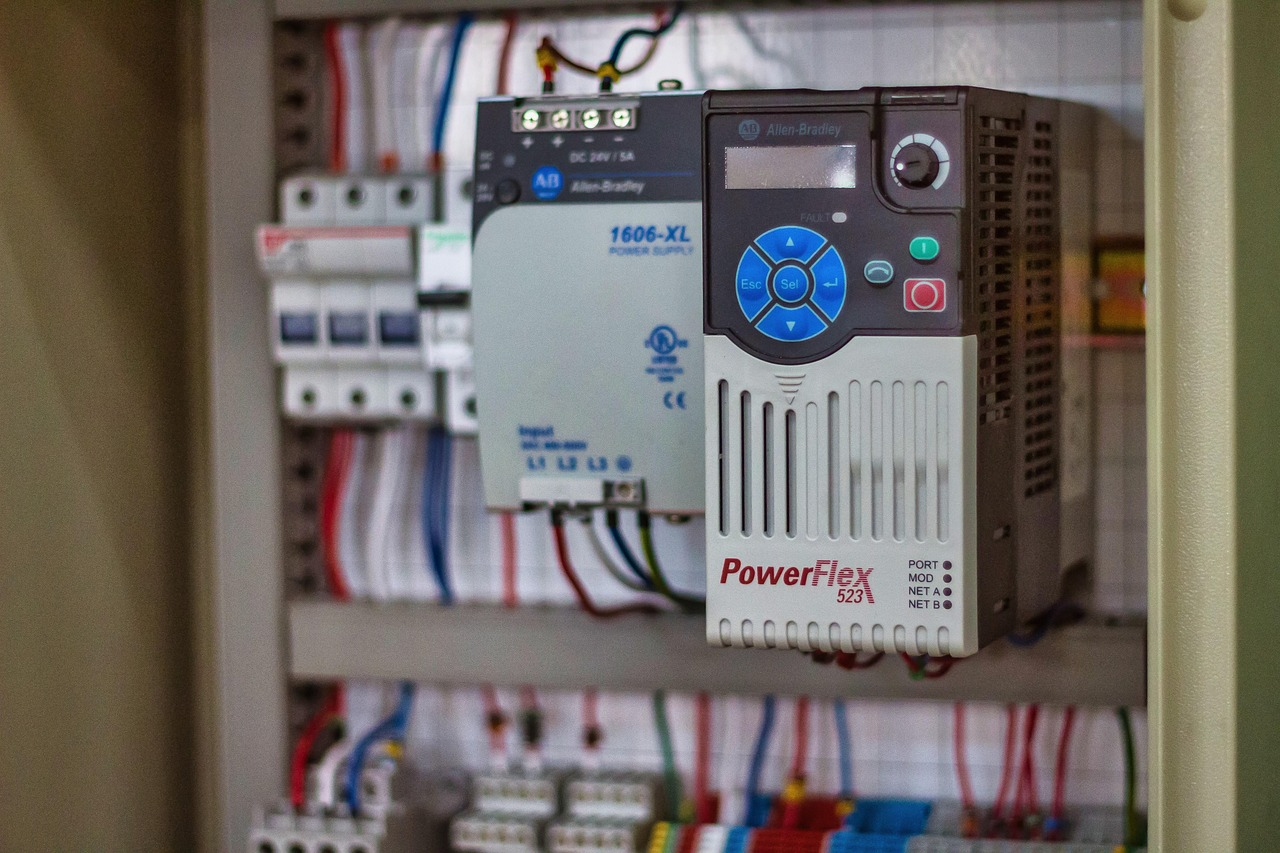
Image Source: https://pixabay.com/photos/drive-electrical-technology-5053639/
When you skip the permit process, you create serious problems:
Working with licensed electricians who understand current codes prevents costly mistakes. The Florida Building Code includes specific requirements for wire sizes, circuit breaker capacities, ground fault protection, and electrical panel placement. These rules change regularly—the 2023 code introduced new arc-fault requirements that many homeowners don't know about.
Miami-Dade County inspectors verify code compliance through both virtual and on-site inspections before new circuits can be energized. This protects you from substandard work and ensures your electrical system operates safely.
Most electrical work requires permits in Miami-Dade County. Here's what typically needs a permit:
Minor repairs typically don't need permits. Simple maintenance, such as replacing existing switches, outlets, or light fixtures with identical replacements, usually falls under maintenance exemptions.
If you're unsure whether your project needs a permit, it's always safer to check before starting work. The Miami-Dade County Permitting Center can answer your questions.
Selecting the correct category ensures accurate fees and smooth processing.
General Electrical Categories:
Specialty Permits:
Temporary Power:
Having the right paperwork ready speeds up your application:
Required Documents:
Additional Documents When Needed:
Keep copies of all temporary power affidavits on-site during the entire permit period.
You have three ways to submit:
E-Permitting (Contractors Only): The fastest method allows contractors to submit applications, pay fees, and print permit cards online.
Portal Submission: Required when plans need review. If your fee sheet says "needs processing," you must use the portal.
Paper Applications: Available for those not using electronic systems. Include all documentation and correct fees.
Electrical permit fees vary based on your project category and complexity:
The Electrical Fee Sheet breaks down all costs and must be included with your application.
Some projects require a plan review before approval. Your fee sheet will indicate "needs processing" if review is necessary.
Plans Must Include:
The electronic submissions process is faster than the paper submissions process. Common issues that delay approval include missing load calculations, incomplete drawings, and code compliance errors.
Once approved, you'll receive your permit card. Keep it at your job site along with any approved plans. Post your property address clearly so inspectors can easily locate your project.
If you need to make changes to your approved work, you'll need a permit amendment, which may involve additional fees.
Miami-Dade County requires you to request inspections at least one day before your desired inspection date. The county performs both virtual and on-site inspections depending on your project.
Keep these items ready for inspection:
You can track your inspection status online using your permit number.
Many applicants submit incomplete Building Permit Applications. Double-check that you've selected the correct permit type and electrical category, and that you've included the master permit number if applicable.
Forgetting to submit the Electrical Fee Sheet is one of the most common errors. This document is mandatory for all electrical permits.
Choosing the incorrect category causes significant delays. Residential projects typically use G80 or G81, while commercial projects fall under Category 01. Temporary power requires separate categories (14, 15, or 26).
When your category shows "needs processing," you must submit plans through the portal. Skipping this step results in rejection.
Have your permit card and approved plans ready at the job site. Make sure your address is posted and visible before the inspector arrives.
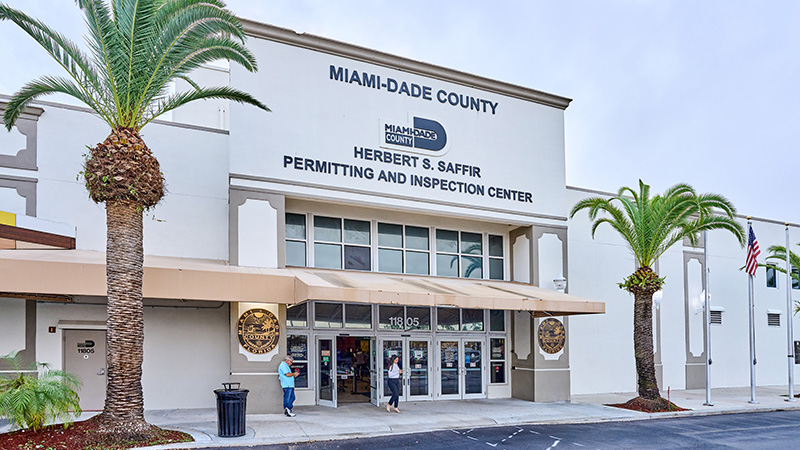
Image Source: Miami-Dade County
Miami-Dade County Permitting and Inspection Center
The automated system provides permit information and application status updates outside regular business hours.
Licensed electrical contractors bring essential qualifications that protect you during electrical projects. They understand complex wiring systems, safety protocols, and current code requirements—knowledge that reduces fire risks, prevents electrocution, and protects your property.
Licensed professionals stay current with Miami-Dade County requirements and the Florida Building Code. They ensure your work passes inspection the first time, avoiding costly delays and corrections.
Licensed contractors carry proper insurance, protecting you from liability issues. This coverage provides financial security if something goes wrong during your electrical project.
Experienced contractors efficiently handle permit applications and inspection scheduling. They know Miami-Dade's requirements and help you navigate the approval process smoothly, saving you time and stress.
Quality electrical work from licensed professionals maintains your property value, keeps your insurance valid, and often includes warranties. Professional installations ensure your electrical system operates safely and efficiently for years to come.
YES Electrical Solutions provides comprehensive electrical services throughout Miami-Dade County. Our licensed and insured electricians handle all aspects of electrical work—including permit applications—with honesty, integrity, and a commitment to serving our clients well.
Our Services Include:
We understand Miami-Dade County's electrical codes and permit requirements inside and out. Our experience helps streamline the permit process, avoiding common delays and ensuring your project stays on track.
Whether you need simple repairs or complex installations, our team ensures all work meets Florida Building Code standards required for permit approval. We're here to answer your questions and guide you through every step of your electrical project.
Contact YES Electrical Solutions today for expert permit assistance and reliable electrical services throughout South Florida.
Frequently Asked Questions
Do I really need a permit for small electrical jobs? Most electrical work requires permits. While simple maintenance, such as replacing an existing switch, may be exempt, it's always best to check with the permitting center before starting work.
How long does it take to get an electrical permit? Processing time varies based on whether your project requires a plan review. E-permitting applications without a plan review process are the fastest. Projects requiring plan review take longer, depending on complexity.
Can I get my own permit as a homeowner? Yes, homeowners can apply for owner-builder permits, though additional documentation is required. However, working with a licensed contractor often simplifies the process and ensures code compliance.
What happens if I do electrical work without a permit? Unpermitted work can result in fines, insurance claim denials, and requirements to tear out and redo the work. It also creates safety risks and complications when selling your property.
How much do electrical permits cost? Fees vary based on your project type and category. The Electrical Fee Sheet provides detailed cost breakdowns for all permit types.